
The Ripple Effect: How Your Energy is Hacking Your Team
You can air-gap your servers, but you can't air-gap your mood. Here is why leadership energy is a security vulnerability.

Originally published on my Blogger site on July 7, 2025. Preserved here on Substack.

In cybersecurity, we are obsessed with containment. We build firewalls to contain traffic. We build sandboxes to contain malware. We build incident response plans to contain damage.
But there is one threat vector we rarely address in our frameworks: Us.
As leaders, we often overlook the most powerful force shaping our team’s performance: the energy we bring into the room.
If you walk into the SOC (Security Operations Center) radiating panic and exhaustion, you aren’t just having a bad day. You are actively degrading the cognitive performance of every analyst in that room.
Your emotional state doesn’t stay contained. It ripples. And in a high-stakes environment, your stress is a contagion.
The Neuroscience of the “Vibe”
Let’s strip away the “good vibes only” fluff. This is biology.
Research reveals a startling truth: Emotions are network packets.
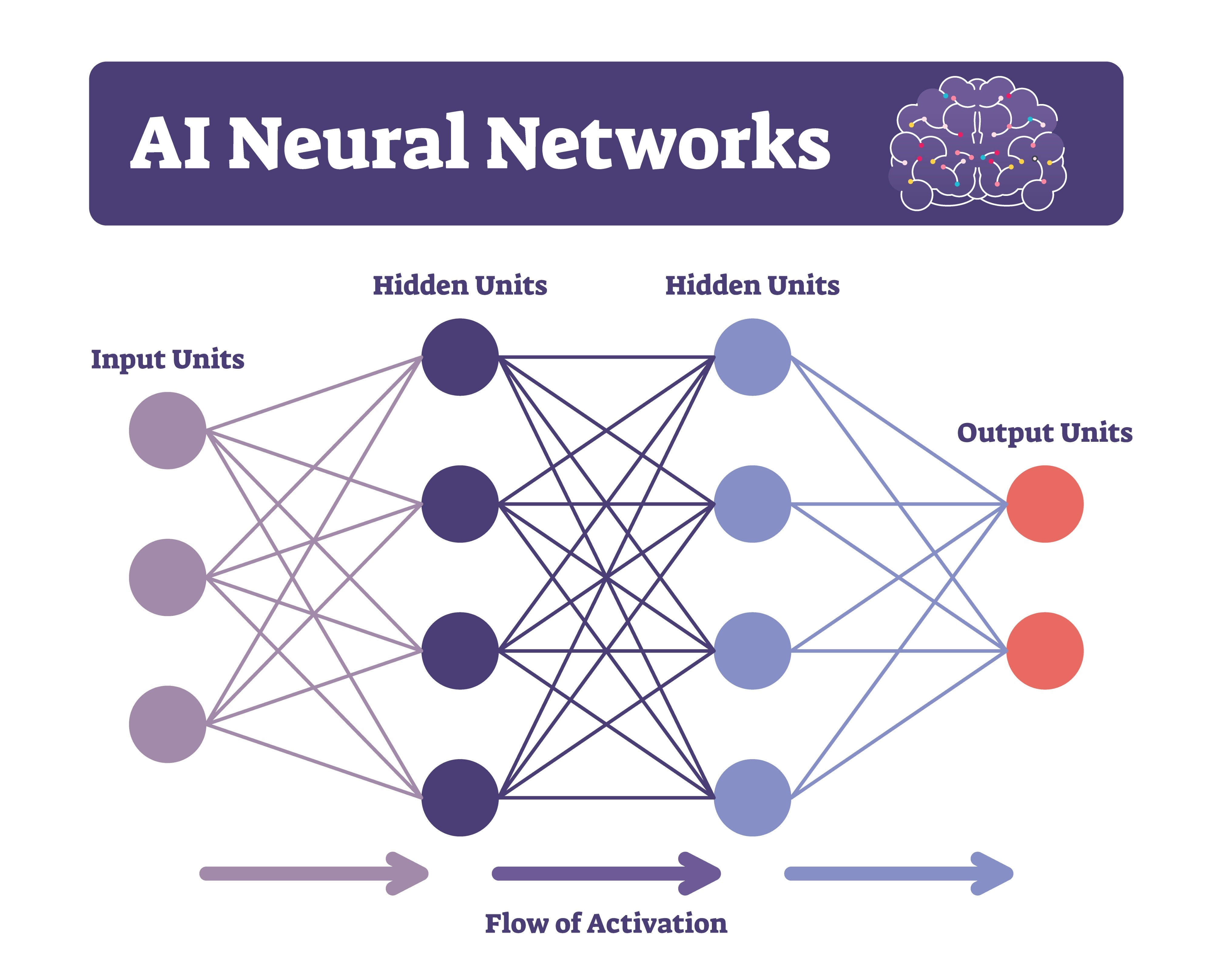
When you are stressed, your team unconsciously mirrors your facial expressions, your posture, and your tone. Mirror neurons in their brains activate, causing them to physically feel what you are feeling.
If you are the CISO and you are hyper-anxious, you are essentially launching a DDoS attack on your team’s amygdalas.
The Result: Their prefrontal cortexes (the part responsible for logic and problem-solving) shut down.
The Cost: Tunnel vision. Missed alerts. Hesitation during incident response.
The numbers back this up. Teams led by emotionally regulated leaders show a 40% reduction in safety incidents and a 27% reduction in turnover.
Your Energy Field: The Ultimate Insider Threat
Every leader projects a signal. We call this “presence,” but it’s really just the cumulative data of how people feel after interacting with you.
Does your presence build trust, or does it erode it?
In Google’s famous Project Aristotle, they found that Psychological Safety was the number one predictor of high-performing teams.
If your energy says, “I am here to solve this with you,” you build safety. Innovation flourishes. Vulnerabilities get reported.
If your energy says, “I am looking for someone to blame,” you create a culture of silence. That silence is where the next breach hides.
You are the signal tower. The question isn’t whether you are broadcasting… you are. The question is: Is your signal creating noise or clarity?
Tuning the Frequency: 3 Protocols
You can’t give what you don’t have. If you are running on caffeine and cortisol, you cannot lead effectively. Here is how to patch your own operating system.
1. The Physical Layer (Sleep & Posture)
You cannot out-think a bad night’s sleep. Research shows leaders need seven hours to maintain executive function. If you are bragging about sleeping four hours, you are bragging about being impaired.
Furthermore, your body dictates your mind.
The Hack: Before a tough meeting, stand tall. Shoulders back. Feet grounded. Your posture accounts for 55% of your communication impact. When you occupy space physically, your brain produces testosterone (confidence) and lowers cortisol (stress).
2. The 10-Second Firewall
Before you open the door (or join the Zoom), hit pause. Take ten seconds. Ask: What energy do I want to broadcast right now? This simple “air gap” creates the space between stimulus and response. It stops you from reacting to the last email and lets you respond to the current human.
3. Emotional Aikido
In security, we don’t just block attacks; sometimes we redirect them (sinkholing). When you face bad news or resistance, resist the urge to get defensive (Fight mode). Instead, channel that energy.
Acknowledge the emotion (”This situation sucks”).
Validate the concern (”I see why you’re worried”).
Redirect to solution (”How do we move forward?”).
The Cybersecurity Edge
In our industry, technical expertise is table stakes. Emotional stability is the differentiator.
During a ransomware attack, the team looks to the leader. If the leader is calm, the team focuses on the playbook. If the leader is frantic, the team focuses on the leader.
95% of successful cyber attacks exploit human vulnerabilities. The most effective defense isn’t a tool; it’s a team that trusts each other enough to speak up when something looks wrong. That trust starts with your energy.
Your Daily Scan
Leadership isn’t about having perfect energy all the time. It’s about conscious management.
Morning Calibration: Check your signal before you log on. Midday Reset: Take 5 minutes to breathe. Reboot the system. Evening Reflection: Did my energy today build trust or erode it?
In cybersecurity, we know that a single compromised node can infect the network. As a leader, you are the root node.
Protect your energy like you protect your admin credentials. The mission depends on it.
References
Psychological Safety and Leadership (McKinsey)
Why it matters: The definitive data linking leadership behavior to team safety and performance.
How a Leader’s Energy Impacts Productivity (Forbes)
Why it matters: A breakdown of the “ripple effect” mechanism in corporate environments.
Emotional Intelligence in Cybersecurity (Bank Info Security)
Why it matters: Specific context on why EQ is a critical asset for security leaders handling high-pressure incidents.